
Evaluate Material Suitability
Lightweight magnesium alloy solutions for weight-sensitive engineering products.
From Material Selection to CNC-Machined Components
Trinity Magtech helps robotics, EO/IR, satellite, UAV and eVTOL teams evaluate magnesium alloy, develop prototype parts and coordinate repeat production through one China-side project interface.
Start with your target part, drawing, current material or lightweighting requirement.
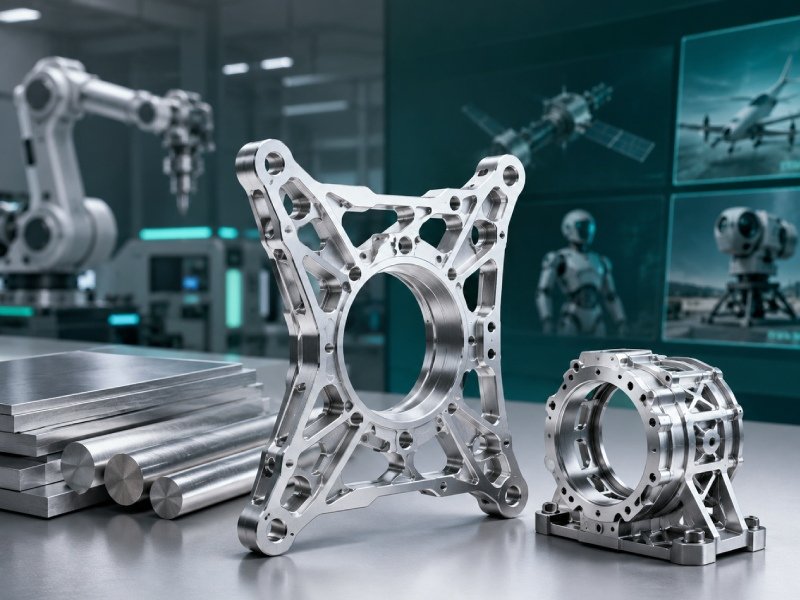
“Can magnesium alloy reduce the weight of this part without creating new risks in strength, corrosion, machining or production—and what would the qualification route look like?”
Lightweight magnesium alloy solutions for weight-sensitive engineering products.
Support vibration damping, EMI shielding and structural optimization requirements.
From magnesium alloy selection to machining and production coordination in China.
Choose the level of support your project needs—from semi-finished magnesium stock to coordinated CNC-machined components.
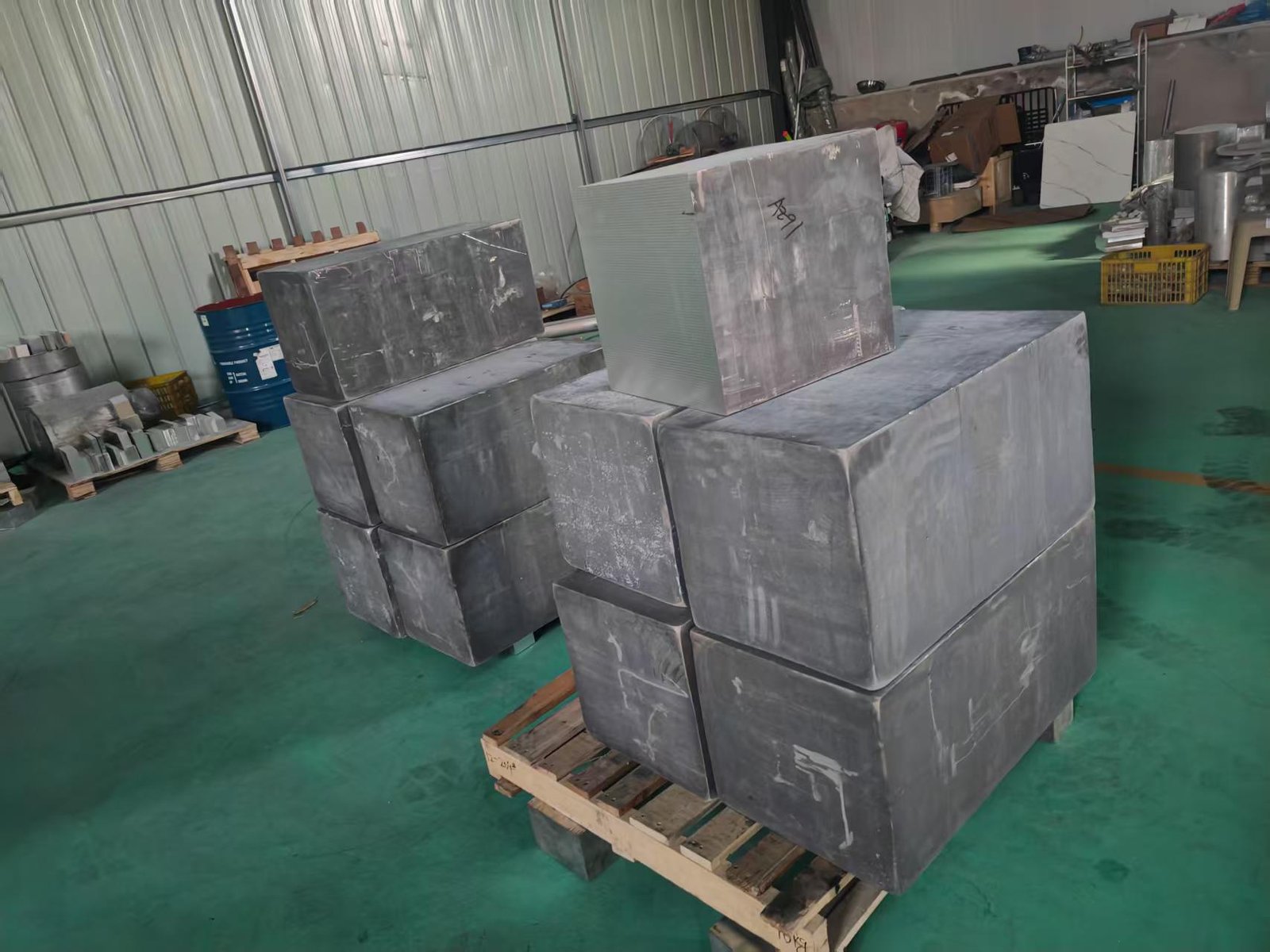
Material routes for high-strength structural parts and demanding lightweight applications.
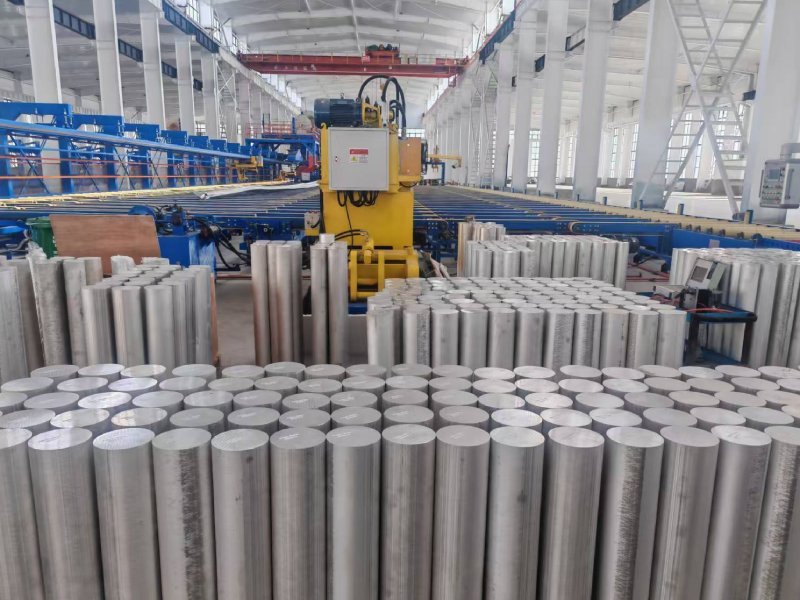
Bars and profiles for machining, structural parts and custom engineering components.
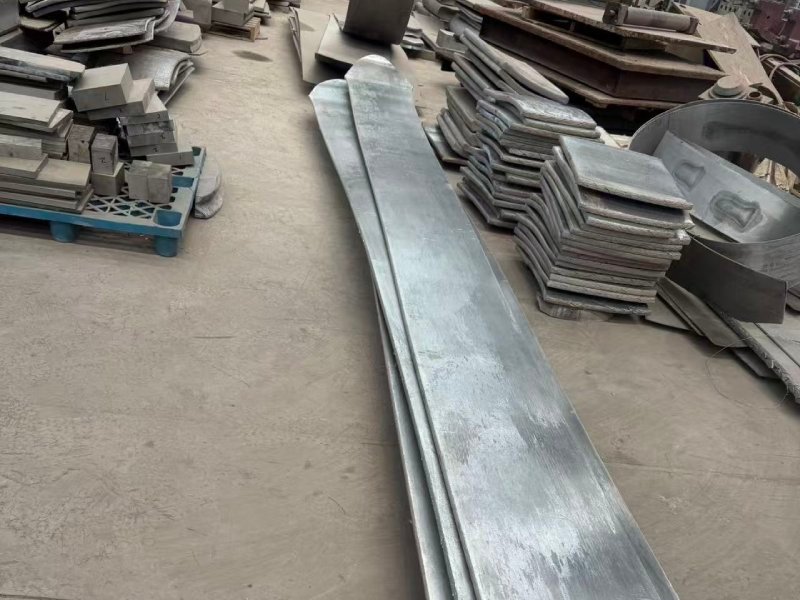
Plate routes for precision machining, housings, panels and structural components.
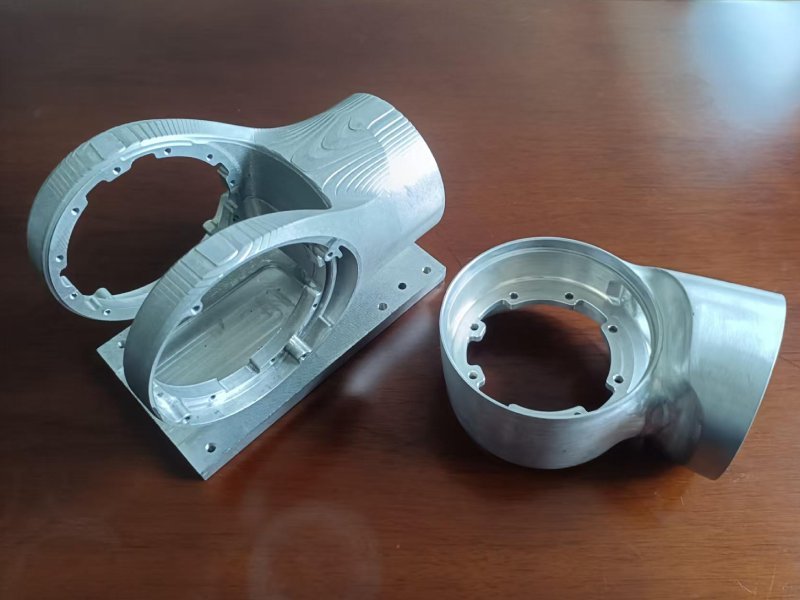
Project-based coordination for housings, brackets, enclosures and lightweight precision parts.
Trinity connects the material decision with practical China-side execution, helping engineering and purchasing teams reduce communication gaps across the project.
Reference tables for preliminary material selection and project discussion. Final specifications must be confirmed against product form, temper, processing route and testing requirements.
| China Grade | International Reference | Recommended Applications | Main Chemical Composition / wt.% | Density | Typical Mechanical Properties | Typical Product Forms |
|---|---|---|---|---|---|---|
| AZ31B | AZ31B / UNS M11311 | 3C housings, Robotics frames, Drone parts, Lightweight panels, Brackets |
Al: 2.5–3.5 Zn: 0.6–1.4 Mn: ≥0.20 Mg: Balance | 1.77 g/cm³ | UTS: 230–270 MPa YS: 130–165 MPa El.: 6–10% | Rolled plate/sheet, Extruded bar, Forged plate |
| AZ41M | AZ41M | Lightweight formed parts, Structural panels, Automotive / motorcycle parts, Robotics structures |
Al: 4.0–4.5 Zn: 0.8–1.0 Mn: 0.3–0.5 Mg: Balance | 1.78 g/cm³ | UTS: 240–250 MPa YS: 140–150 MPa El.: 6–12% | Sheet, plate, Rolled plate, Extruded profiles, Custom wrought stock |
| AZ80A | AZ80A / AZ80 / UNS M11800 | High-strength lightweight structures, Aerospace fittings, High-performance motorcycle parts, Automotive performance parts |
Al: 7.8–9.2 Zn: 0.2–0.8 Mn: ≥0.12 Mg: Balance | 1.80 g/cm³ | UTS: ≥290 MPa YS: ≥193 MPa El.: ≥2% | Extruded bar, Forged stock, Plate, Billet |
| AZ91D | AZ91D / UNS M11916 | Housings, Electronic enclosures, Covers, Handheld tools, Automotive castings |
Al: 8.3–9.7 Zn: 0.35–1.0 Mn: 0.15–0.50 Mg: Balance | 1.81 g/cm³ | UTS: 270–310 MPa YS: 170–210 MPa El.: 6–12% | Rolled plate/sheet, Extruded bar, Forged plate |
| AQ80 / AQ80M | AQ80M | Aerospace parts, High-temperature structural parts, High-performance lightweight components |
Al: 8.5 Zn: 0.5 Mn: 0.2 Ag: 1.0 Mg: Balance | 1.82 g/cm³ | YS: 210 MPa UTS and elongation depend on forging and heat treatment. | Forged plate, Billet, Custom wrought stock |
| ZK61M / MB15 | ZK61 / ZK61A / ZK60 | Aerospace parts, Satellite structures, Robotics load-bearing parts, High-performance motorcycle components |
Zn: 5.0–6.0 Zr: 0.3–0.9 Mg: Balance | 1.82 g/cm³ | UTS: 260–290 MPa YS: 170–195 MPa El.: ≥6% | Extruded bar, Forged plate, Thick plate, Billet |
| ME20 / MB8 | ME20 / ME20M / MB8-type | Aerospace panels, Electronic structures, Formed magnesium parts, Corrosion-resistant lightweight components |
Mn: 1.3–2.2 Ce: 0.15–0.35 Mg: Balance | 1.76–1.78 g/cm³ | Moderate strength and good ductility. Properties depend strongly on rolling, extrusion or forging condition. | Sheet, plate, Rolled plate, Extruded bar, Forged stock |
| Grade | Recommended Applications | Main Chemical Composition | Density | Typical Mechanical Properties | Typical Product Forms |
|---|---|---|---|---|---|
| High-Corrosion-Resistance Magnesium Alloy | Premium 3C housings, Robotics structures, Drones, Outdoor equipment, Automotive / motorcycle lightweight parts, Corrosion-sensitive structural components |
Typical alloying routes may include Ca micro-alloying, RE, Mn, Zn and impurity control. Exact composition to be confirmed by company grade. | 1.75–1.85 g/cm³ | Good corrosion resistance with customizable mechanical performance. | Sheet, plate, bar, profile, Forging stock, Custom material |
| Flame-Retardant Magnesium Alloy / Ignition-Resistant | Aerospace, Satellite structures, Rail transit, Robotics, Automotive / motorcycle parts near heat sources, Safety-sensitive lightweight components |
Typical alloying routes may include Ca, RE, Y, Sr or other ignition-resistant alloying additions. Exact composition to be confirmed by company grade. | 1.77–1.85 g/cm³ | Improved ignition resistance with application-oriented strength and formability. | Plate, bar, profile, Forging stock, Custom flame-retardant magnesium material |
The data listed above is for preliminary material selection and grade matching only. Actual chemical composition, density, mechanical properties and delivery condition may vary depending on alloy grade, product form, temper, processing route and customer specification. For project-specific requirements, please contact Trinity Magtech for material confirmation, MTC / COA review and technical support.
Density values are typical reference values only. Actual density may vary slightly depending on alloy composition, product form and delivery condition.
Engineers usually don’t start by searching for new materials first.They seek practical solutions to product-related challenges.
Can we reduce structural weight without compromising performance?
Magnesium alloy may be evaluated for parts where moving mass, payload or total system weight is critical.
Can the material help reduce vibration in dynamic systems?
Damping characteristics can matter in systems where motion, imaging accuracy or structural response is sensitive.
Can the structure support EMI shielding requirements?
A metallic magnesium enclosure can be evaluated as part of the complete electromagnetic protection design.
Can the material move from prototype to reliable production?
The route must connect alloy selection, semi-finished stock, machining, surface treatment, testing and repeat supply.
Each project begins with the target part, system challenge and production route—not with a generic alloy recommendation.
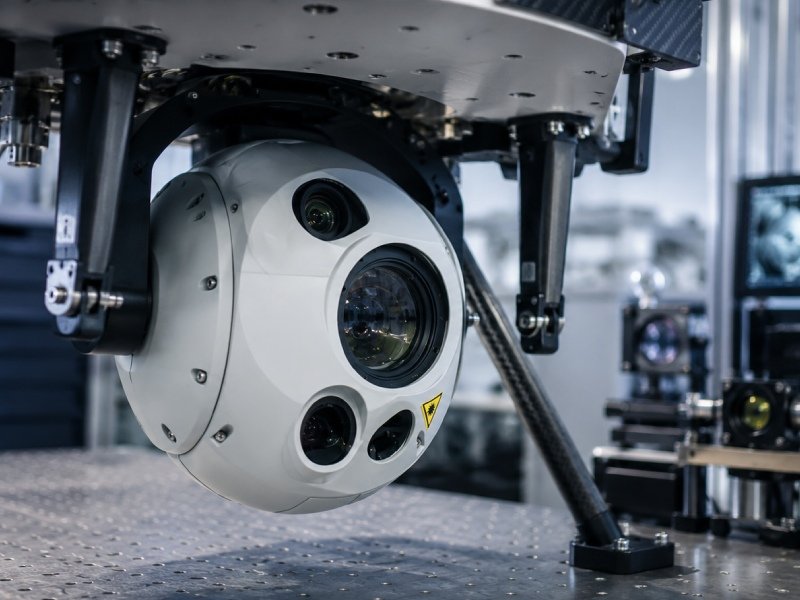
Optical systems may require a combination of lightweight structure, stability, vibration control, machinability and protection for sensitive electronics.

Evaluate wrought magnesium for moving and structural parts where lower mass may improve movement efficiency and reduce actuator burden.
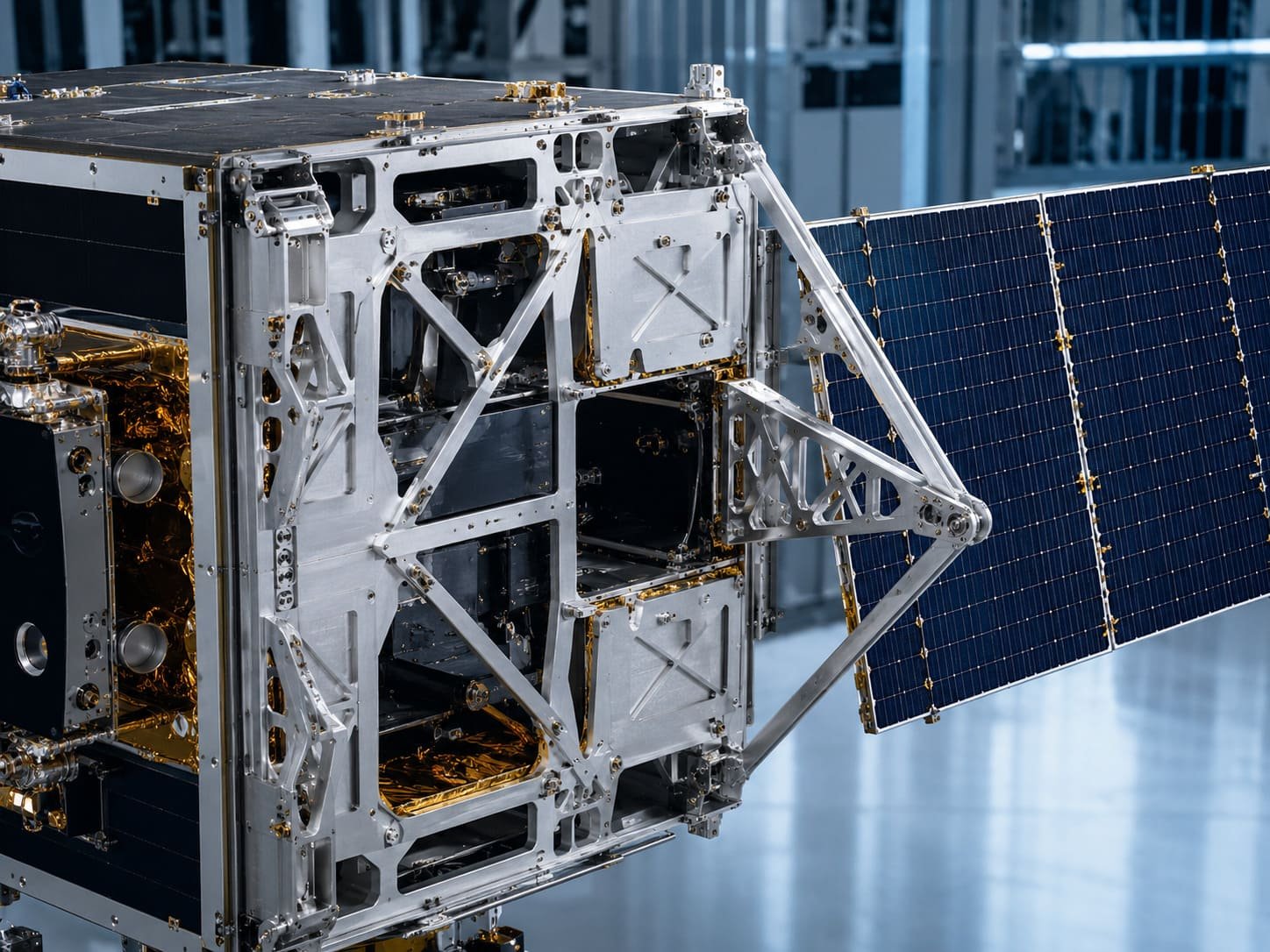
Every kilogram matters. Magnesium alloy may be evaluated for selected brackets, supports and payload-related structures where strength-to-weight performance and machining feasibility are important.
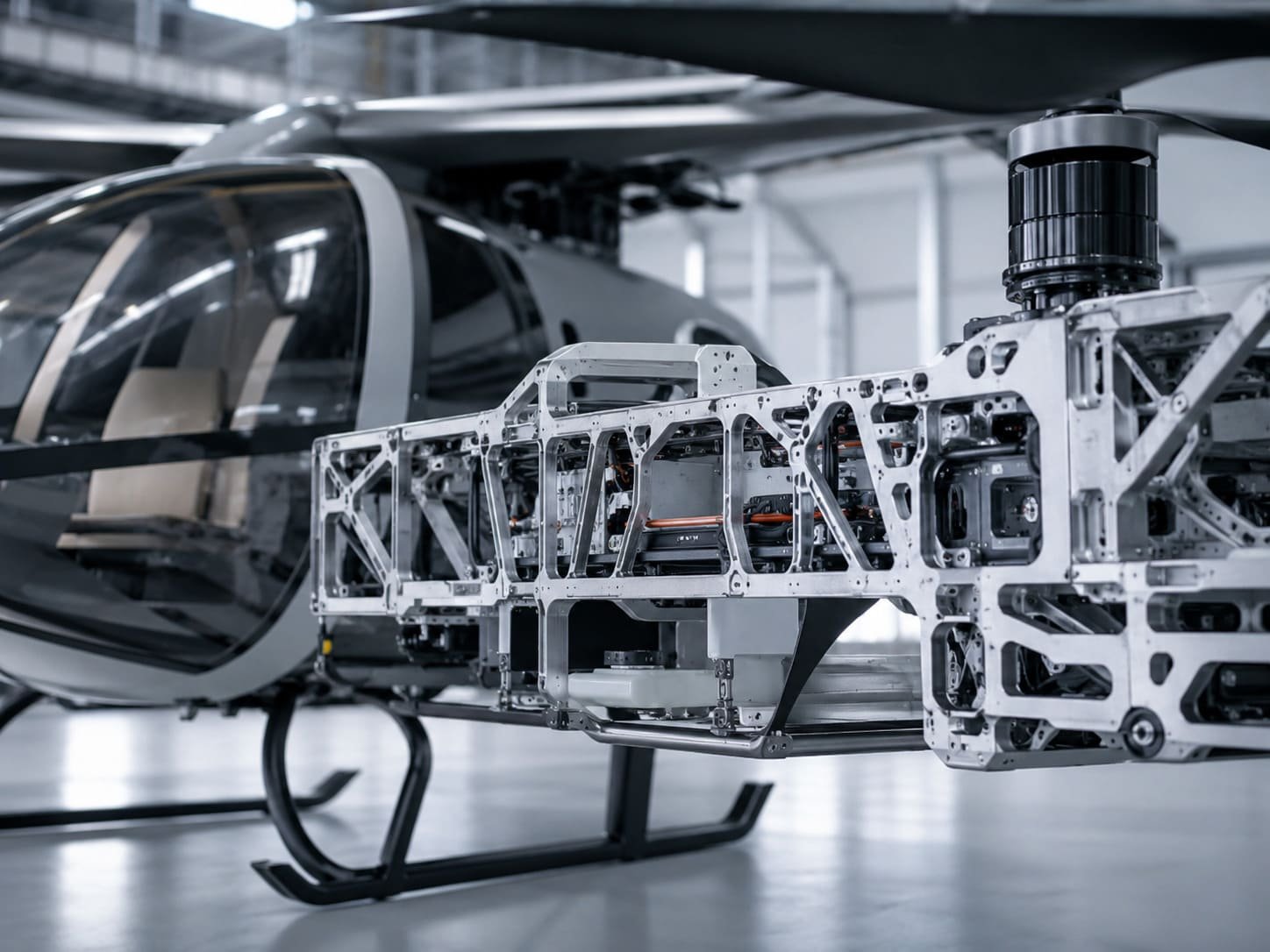
Payload efficiency, flight time and dynamic response can make lightweight materials valuable for selected aircraft and unmanned-system components.

Selected mobility and electronic products can benefit from lower structural mass, precision machining and integrated enclosure functions.
For engineering companies that already have customer projects, mechanical design capability and local market relationships, Trinity provides the China-side material and manufacturing route.
Share the current material, target weight reduction, drawing, load requirements and working environment. We can help structure the first material-evaluation route.
Magnesium alloy offers significant weight-reduction potential compared with aluminum alloys for selected structures and housings.
Magnesium alloys generally provide better vibration-damping characteristics, which can benefit dynamic and precision systems.
As a conductive metal, magnesium alloy can support electromagnetic shielding design for electronic systems.
Components can be developed through multiple material and manufacturing routes.
We focus on helping engineering teams turn lightweighting requirements into workable material, prototype and production routes.
We focus on lightweighting solutions, not only material supply. The target part and system requirements guide the material route.
Connect with magnesium alloy producers, processing partners, CNC manufacturers and surface-treatment resources through one project interface.
Experience supporting humanoid robotics applications, satellite-related magnesium alloy projects and precision lightweight components.
We help bridge technical requirements and commercial execution from evaluation through production.
Examples of how Trinity supports application-driven magnesium alloy projects from early evaluation to repeat supply.
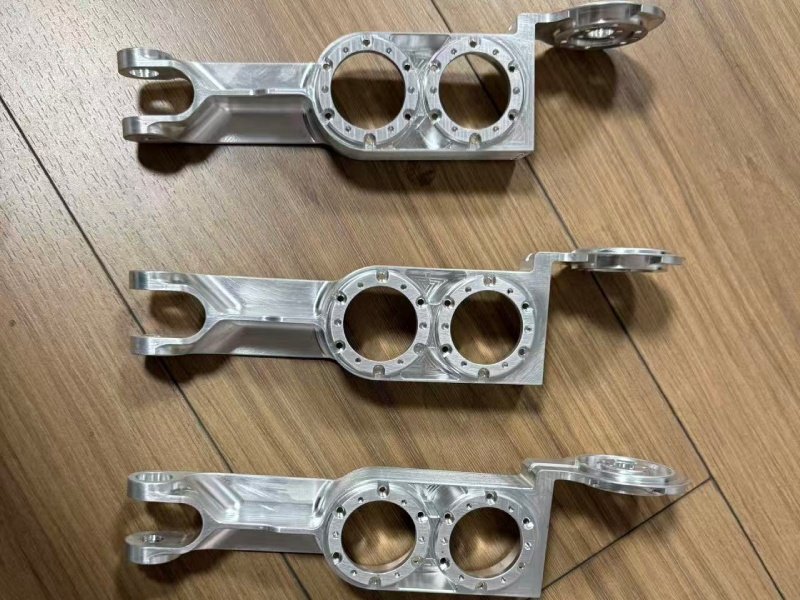
Reduce structural and moving-part weight while maintaining machining and production feasibility.
Application review, custom magnesium alloy route, material production coordination, prototype support and scale-up.
Adopted in current mass-produced robot models and continuing into next-generation products.
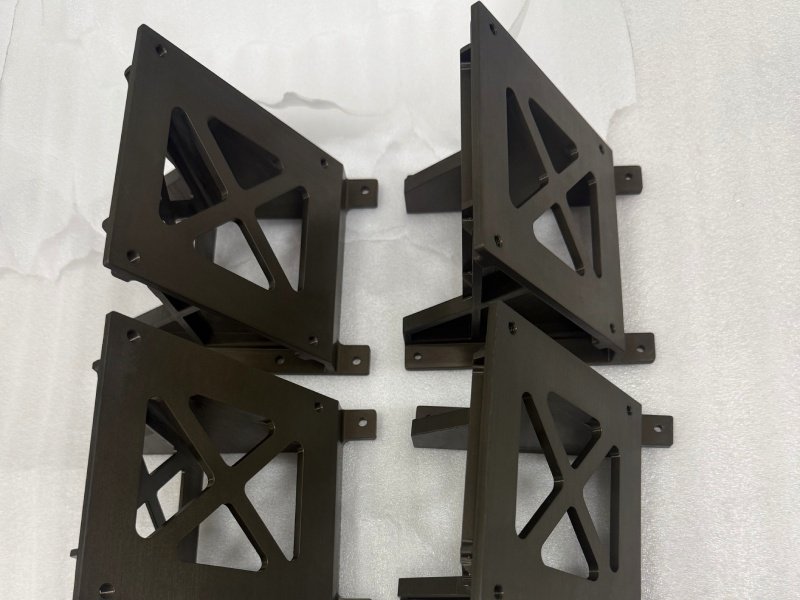
Supply high-strength wrought magnesium stock for lightweight CNC-machined satellite-related components.
Grade matching, plate and bar supply, documentation, machining coordination and repeat supply planning.
Project support can be backed by documentation, testing and execution controls matched to customer requirements.
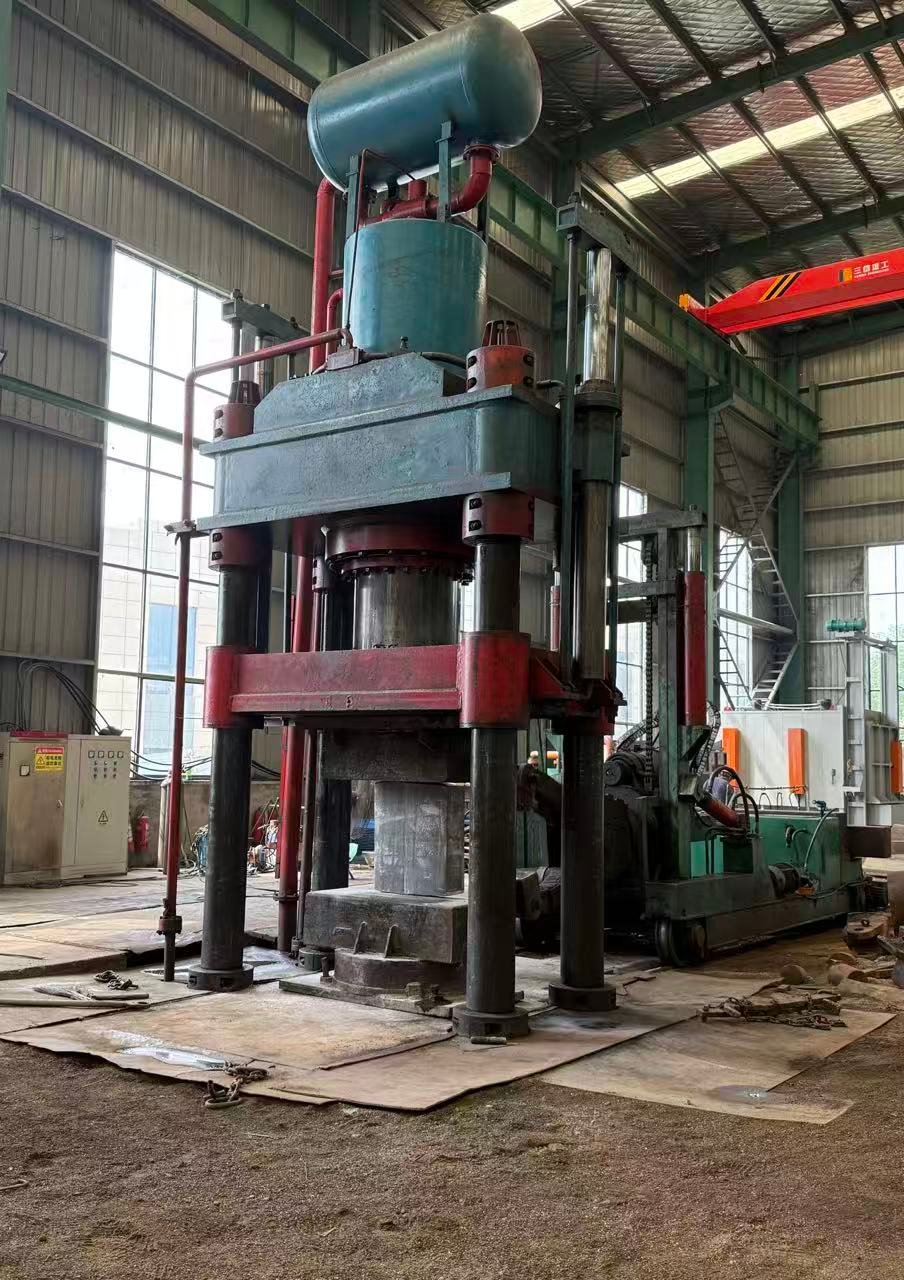 Our Factory
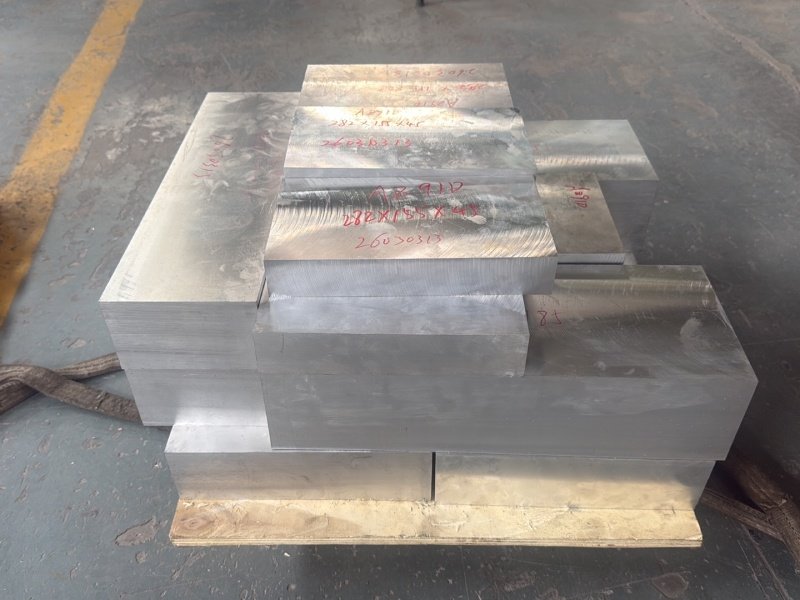 Raw Materials
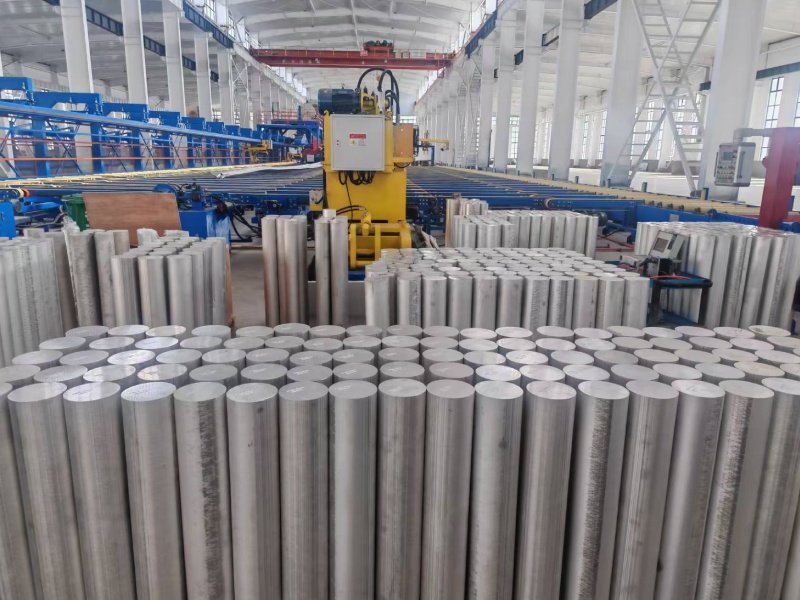 Extrusion Process
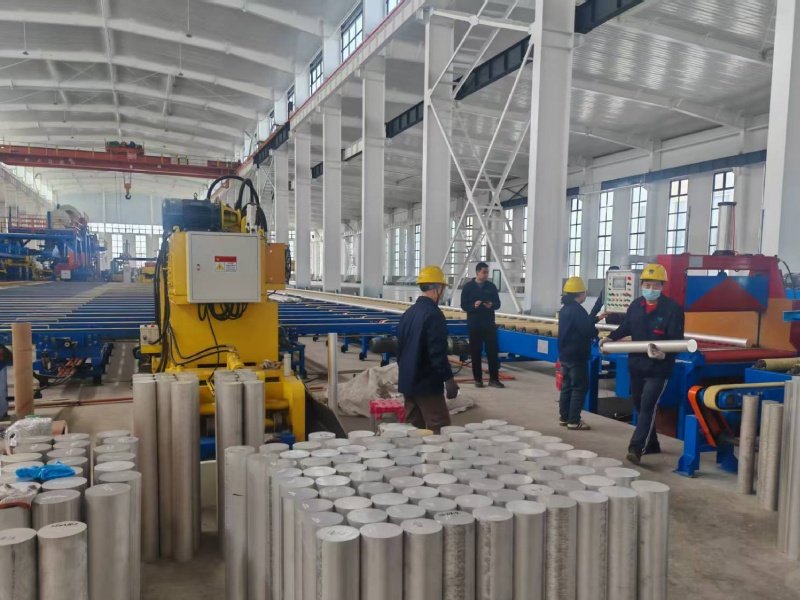 Production Processing
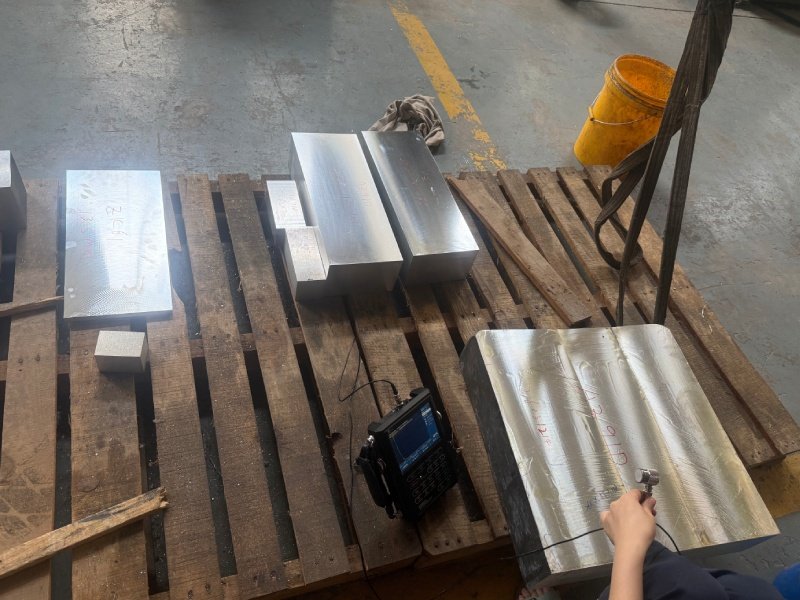 Quality Inspection
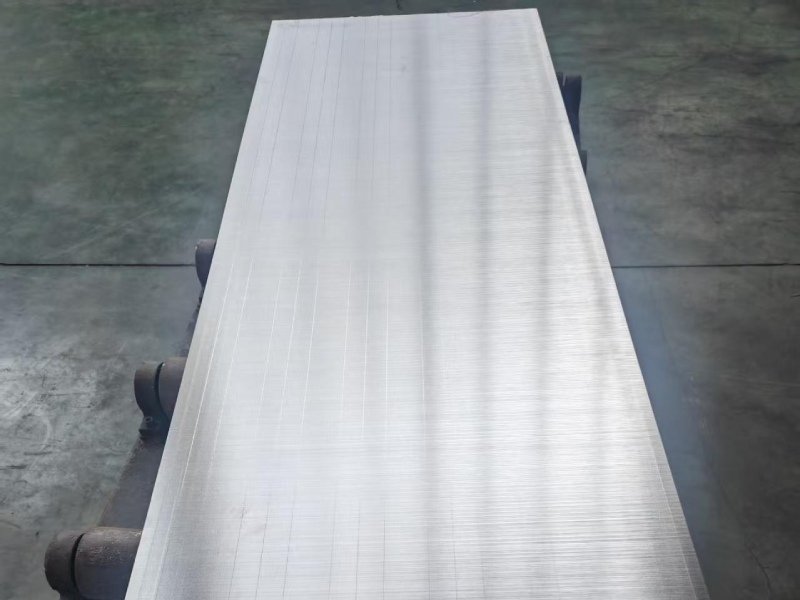 Magnesium Plates
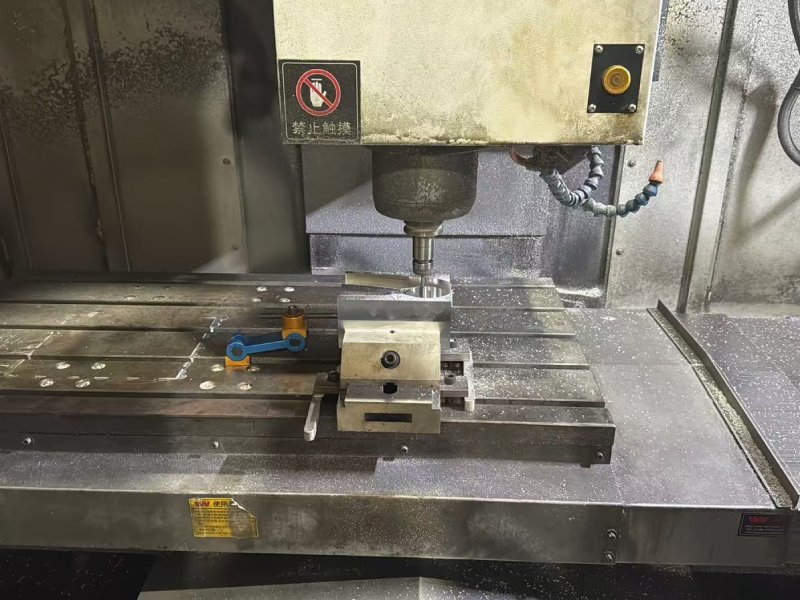 CNC Machining
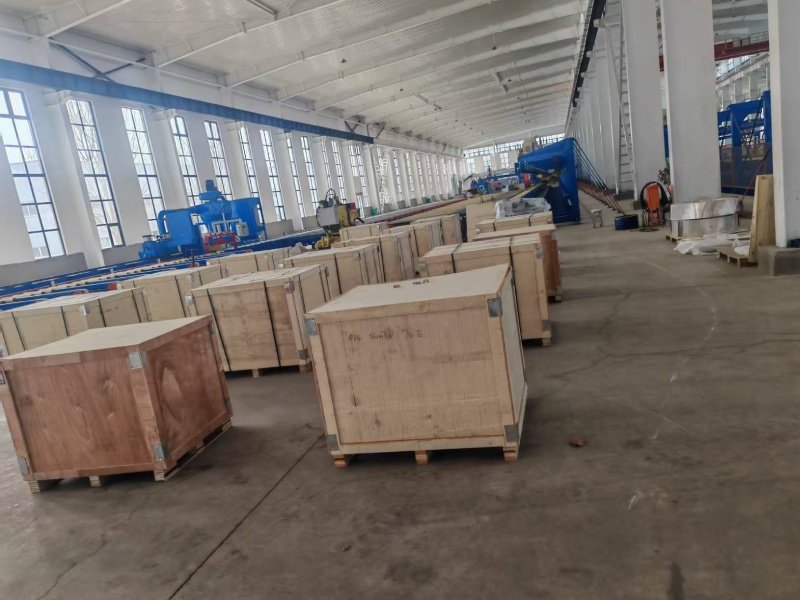 Packing & Loading
Trinity Magtech is a China-based magnesium alloy lightweighting and supply-chain partner, coordinating material production, CNC machining, surface treatment and export delivery through qualified manufacturing resources.
A practical four-step route from the target part to stable China-side production support.
Provide the drawing, current material, application, weight-reduction target, expected quantity and known performance requirements.
Discuss alloy selection, product form, manufacturing process, corrosion or flame concerns and testing requirements.
Coordinate material samples, CNC machining, surface treatment and project-specific testing or documentation.
Support repeatable supply, production follow-up, quality communication, export packing and long-term supply planning.
Answers grouped by material selection, applications, manufacturing and project-start requirements.
Magnesium alloy can be evaluated as an alternative to aluminum for selected humanoid robot structures where weight reduction is important. It is especially worth considering when lower density, damping performance, EMI shielding potential and CNC machining feasibility are relevant to the target part.
However, magnesium alloy should not be treated as a direct one-to-one replacement for every aluminum component. The final choice depends on part function, strength requirement, corrosion environment, surface treatment, testing route and production feasibility.
Yes. Magnesium alloy can support EMI shielding design because it is a metallic material with electrical conductivity. It may be useful for robot sensor enclosures, control module housings, optical camera housings, LiDAR housings and electronic device frames.
Final EMI shielding performance depends not only on material choice, but also on wall thickness, part design, assembly structure, grounding method, surface treatment and testing standard. Magnesium alloy should therefore be evaluated as part of the complete enclosure and system design.
Engineers should not evaluate corrosion resistance by alloy name alone. A practical evaluation should include alloy route, impurity control, surface treatment, coating or sealing method, working environment and test requirements.
For corrosion-sensitive applications, high-corrosion-resistance magnesium alloy options may be considered together with suitable surface protection. Salt spray, corrosion rate, electrochemical testing or customer-specific tests can help confirm whether the material route is suitable.
Yes. Flame-retardant or ignition-resistant magnesium alloy routes can be discussed for safety-sensitive applications. These alloy options are designed to improve ignition behavior or high-temperature oxidation resistance compared with conventional magnesium alloy routes.
They should not be selected based on the material name alone. Engineers should review operating temperature, heat exposure, part function, safety classification, surface treatment and testing standards before use.
Magnesium alloy can be evaluated for selected humanoid robot parts such as robot frames, joint housings, actuator brackets, sensor enclosures, control module housings and CNC-machined lightweight components.
These parts often need a balance between weight reduction, structural performance, vibration control and manufacturability. For moving parts, reducing mass may help lower actuator load and improve motion efficiency. Each part should be reviewed based on geometry, load condition, working environment, surface protection and testing requirements.
Robot joint housings and sensor enclosures often require lightweight structure, dimensional stability, machining feasibility and protection of internal components. Magnesium alloy can be worth evaluating because it combines low density, damping performance and EMI shielding potential.
For joint housings, weight reduction may help lower moving mass and actuator burden. For sensor enclosures and control module housings, magnesium alloy may support lightweight structural protection and electromagnetic shielding design.
Yes. Magnesium alloy can be evaluated for precision optical and electro-optical equipment when lightweight structure, vibration damping, EMI shielding potential and CNC machining feasibility are important.
Potential applications include EO/IR payload housings, gimbal structures, optical camera housings, sensor enclosures, machine vision camera bodies, UAV optical payload structures, LiDAR or rangefinder housings, optical instrument housings and precision CNC-machined magnesium components.
The final material choice should depend on part function, strength requirement, dimensional stability, surface treatment route, corrosion environment and testing requirements.
Magnesium alloy offers low density, good damping characteristics and EMI shielding potential, which can be useful for optical camera housings, sensor enclosures and electro-optical modules.
For precision equipment, material selection is not only about reducing weight. It may also affect vibration control, structural stability, machining route, surface treatment and protection of sensitive electronic components.
Yes. Wrought magnesium alloy bars and plates can be evaluated for selected satellite-related structures where weight reduction and machinability are important. ZK61M / MB15 magnesium alloy is one possible route for lightweight brackets, antenna frames, equipment supports, payload-related structures and machined components.
For satellite applications, material selection must be reviewed carefully against strength, dimensional stability, surface protection, testing and documentation requirements. Magnesium alloy is usually better considered first for selected structural parts, brackets or supports rather than replacing all satellite structural materials.
ZK61M / MB15 is a high-strength wrought magnesium alloy route often considered for lightweight structural applications. It can be supplied as bars, plates, forged stock or machined material for parts that require better strength-to-weight performance.
Typical applications may include satellite-related brackets, aerospace supports, robot structural parts, high-performance lightweight components and CNC-machined magnesium parts. Final mechanical properties should be confirmed according to product form, temper, processing route, MTC / COA and project testing.
Trinity can supply forged magnesium plate, extruded bar, rolled plate, cast plate and bar, and CNC-machined magnesium alloy components. Available grades, sizes and specifications depend on the application and order requirements.
Yes. Trinity Magtech can support CNC-machined magnesium components for selected lightweight engineering projects. We can help customers evaluate the material route, product form, forged, extruded or rolled stock, sample supply and CNC machining coordination.
Typical parts may include robot housings, joint-related structures, sensor enclosures, optical equipment housings, satellite brackets, UAV payload structures and lightweight CNC components. Final feasibility depends on part geometry, tolerance, surface treatment, quantity, testing requirements and supply plan.
Yes. Trinity can coordinate common magnesium alloy surface treatments through qualified partners. Please share your corrosion, appearance, coating, conductivity or testing requirements so we can confirm the suitable process and acceptance standard.
We normally begin with an application review, followed by material and process selection, quotation, prototype production and inspection.
After customer validation, the project can move to a trial order and then repeat or mass production.
The best starting point is to share:
It is also helpful to provide product-form requirements, strength or stiffness needs, corrosion or flame concerns, surface-treatment requirements and any available testing standard. Trinity Magtech can then review possible magnesium alloy routes and suggest whether material samples, semi-finished stock or CNC-machined parts are suitable for evaluation.
The goal is to reduce early material-selection risk before moving into testing, quotation or production planning.
Yes. You can begin with a part description, current material, target weight, performance requirements and estimated quantity.
A complete drawing can be provided later when the project enters detailed evaluation or manufacturing.
Yes. Trinity respects and protects customer intellectual property. We are willing to sign an NDA covering drawings, technical specifications, application details and other confidential project information.
Samples and trial orders are evaluated based on the alloy grade, dimensions, drawings, quantity and manufacturing requirements.
A sample fee is charged according to the actual project cost and can be credited back when the project moves to an agreed production order.
Lightweight engineering partners can keep local customer communication, engineering requirements and project design. Trinity Magtech supports the China-side magnesium alloy route, including material selection, custom alloy discussion, forged, extruded or rolled stock, CNC machining coordination, surface treatment coordination, sample supply and production follow-up.
This cooperation model is suitable for local engineering companies, CNC manufacturers, aerospace suppliers, motorsport suppliers, robotics engineering firms and optical equipment manufacturers. The goal is to help local partners turn lightweighting projects into workable China-side material and manufacturing routes.